
Digital Nomad Xian – Cost of Living
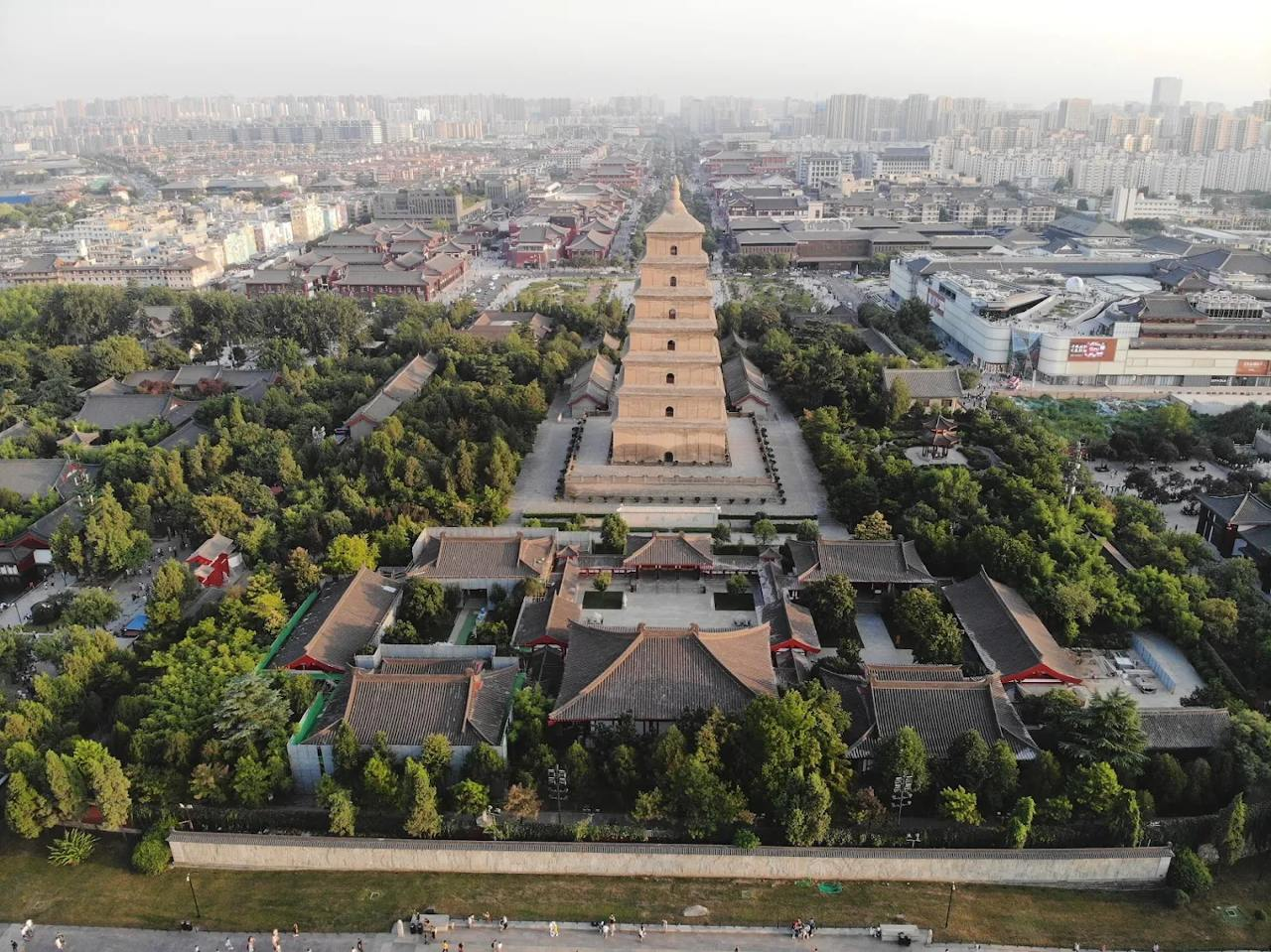
How much does digital nomad Xian life cost? Quite a lot these days actually, but still one of the cheaper major cities in China when compared to Beijing, Shanghai or Shenzhen. Xi’an sits in that interesting category of “inland powerhouse” where it has history, industry, universities, and tourism, but without the insane coastal pricing pressure.
Xi’an used to be seen as a slower, more traditional city in northwest China, famous mainly for the Terracotta Warriors and ancient walls. That is still true culturally, but economically it has shifted. Tech parks, universities, and domestic tourism have pushed prices up steadily. It is no longer a bargain basement city, but it is still very livable.
On a bare minimum lifestyle you can survive on around 8000 to 10000 RMB a month ($1100 to $1400), but that means small apartment, mostly local food, and a fairly quiet life. A more realistic digital nomad lifestyle sits between 14000 and 22000 RMB ($1950 to $3050) depending on rent and lifestyle choices.
Xi’an is still one of the better value big cities in China, especially for food and housing.
Table of Contents
Xi’an Overview
Xi’an is one of China’s most historically important cities and was once the starting point of the Silk Road. It has been the capital of multiple dynasties and still carries that weight in its architecture, layout, and culture. The city walls remain one of the best preserved ancient fortifications in China, and the downtown core still reflects a layered historical identity.
Modern Xi’an is a mix of old culture and new industry. It is a major hub for aerospace, education, and technology in western China. The population is heavily student-driven, with large universities shaping much of the social life and economy.
The city is divided into distinct zones. The old city around the Bell Tower is dense, busy, and full of street food. Gaoxin District is modern and corporate, full of offices, expats, and higher-end apartments. Outer districts are more residential and spread out, offering cheaper living but longer commutes.
Xi’an does not feel as international as Shanghai or as politically intense as Beijing. Instead it feels balanced, functional, and relatively easy to live in.
Click to see more Digital Nomad Guides.

How much does it cost to rent an apartment in Xi’an?
Rent in Xi’an is one of its biggest advantages. It is significantly cheaper than China’s coastal megacities, although prices have been slowly rising due to demand from students, tech workers, and domestic migration.
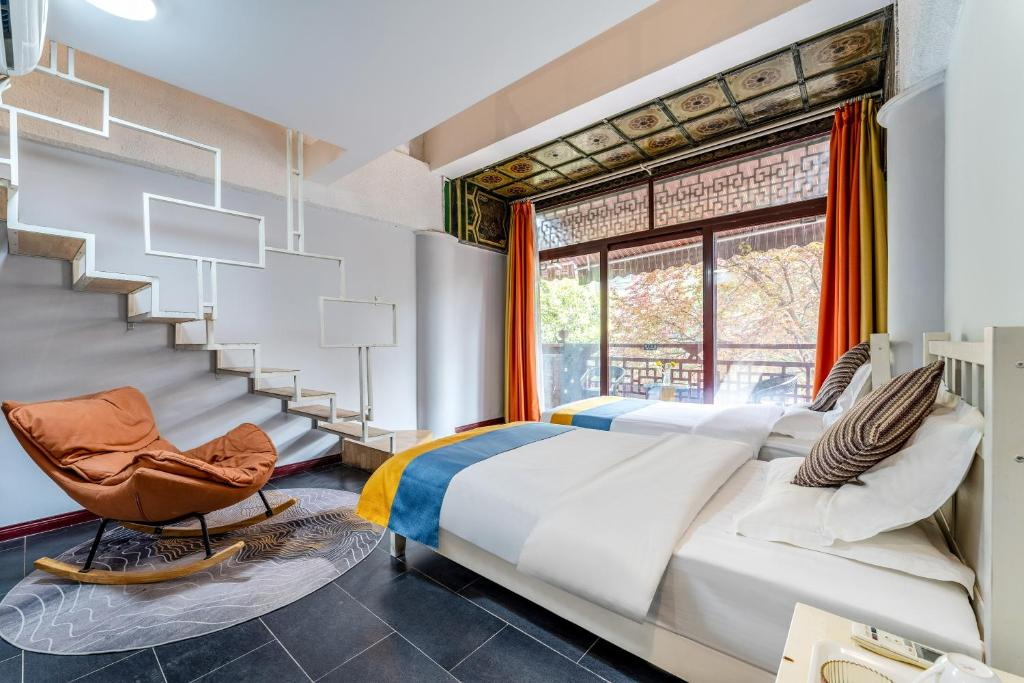
A basic studio or one-bedroom apartment in outer districts like Chanba or parts of Yanta typically costs between 2000 and 3500 RMB ($280 to $500). These are usually modern enough but basic in layout and amenities.
In central Xi’an or Gaoxin District, prices increase to around 3500 to 6000 RMB ($500 to $850) for a solid one-bedroom apartment with better transport access and facilities. These areas are the most popular with professionals and foreigners.
Serviced apartments with gyms, security, and modern amenities usually sit between 6000 and 10000 RMB ($850 to $1400), depending on location and quality.
Luxury apartments or high-end compounds are still relatively limited compared to Tier 1 cities, but when available they can exceed 12000 RMB ($1650+).
Average Xi’an Rental Prices
Studio outer districts: 2000 to 3500 RMB ($280 to $500)
One-bedroom central: 3500 to 6000 RMB ($500 to $850)
Serviced apartment: 6000 to 10000 RMB ($850 to $1400)
Luxury apartment: 12000+ RMB ($1650+)
Utilities are manageable but seasonal.
Electricity: 200 to 600 RMB ($30 to $85)
Water: 30 to 80 RMB ($5 to $12)
Internet: 100 to 200 RMB ($15 to $30)
Summers are hot and winters are cold, so AC and heating costs can fluctuate.
Can foreigners buy property in Xi’an?
Foreigners can buy property in Xi’an, but it is heavily restricted and bureaucratic. The general rule is that you must have lived in China for at least one year with a valid residence permit before you can purchase a single residential property for personal use.
The process involves extensive documentation including proof of employment, tax records, residency proof, and approval from local authorities. Mortgage access exists but is not guaranteed and depends heavily on income stability and bank assessment.
Xi’an remains more affordable than coastal cities, but prices are rising steadily:
Central Xi’an: 12000 to 18000 RMB per square metre ($1650 to $2500 per m²)
Outer districts: 8000 to 12000 RMB per square metre ($1100 to $1650 per m²)
It is still possible to buy relatively “cheap” compared to China’s major hubs, but it is no north-east China shit hole either!
How much does food and drink cost in Xi’an?
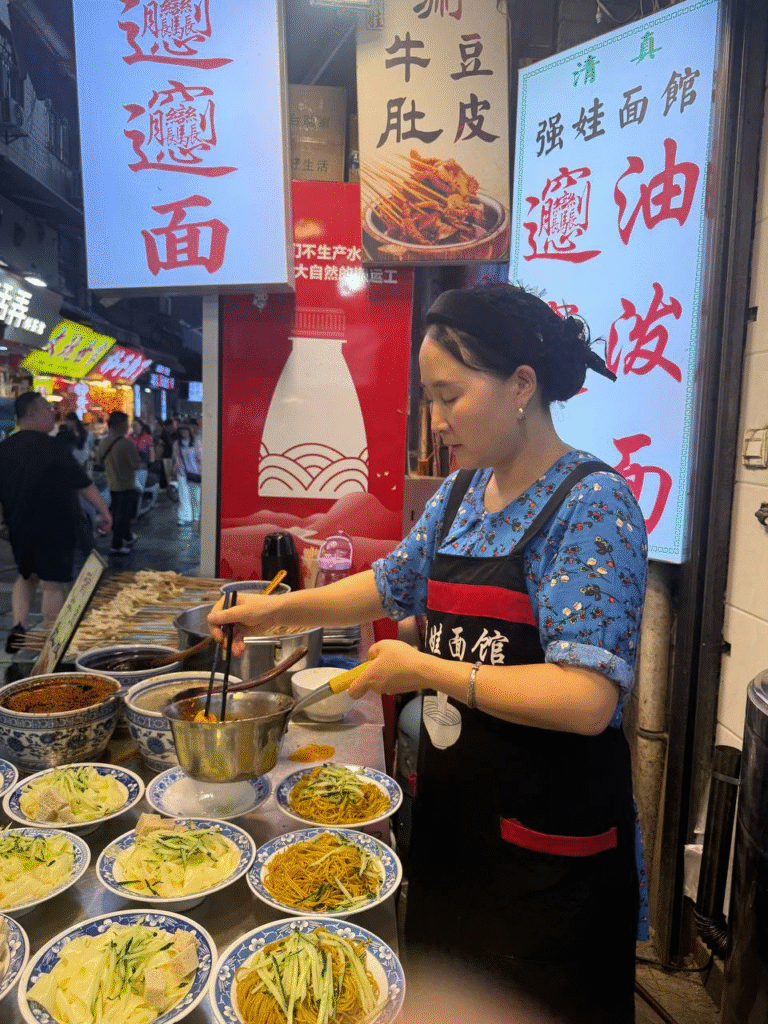
Xi’an is one of the best food cities in China, especially for cheap, filling, and local cuisine. It is famous for noodles, lamb skewers, dumplings, and roujiamo (Chinese “burger”), all of which are widely available and very affordable. A real hidden gem are the Xian Cold Noodles, as well as Bang Bang Mian.
Local meals are extremely cheap. A normal restaurant meal costs 30 to 80 RMB ($4 to $12), and even a large filling meal rarely exceeds 120-200 RMB ($8 to $18). Street food culture is strong and still very active compared to many other Chinese cities. This is particularly true in Muslim Street.
Western food exists but is noticeably more expensive and less widespread than in Shanghai or Beijing.
Overall Xi’an is a strong win for anyone who likes eating out on a budget.
Average grocery prices in Xi’an
Rice: 5 RMB per kilo ($0.70)
Eggs: 12 to 25 RMB per dozen ($1.70 to $3.50)
Chicken breast: 20 to 40 RMB per kilo ($3 to $6)
Imported cheese: 60 RMB+ ($8+)
Local beer: 5 to 12 RMB ($0.70 to $1.70)
Coffee in café: 25 to 45 RMB ($3.50 to $6.50)
Bars and nightlife in Xian
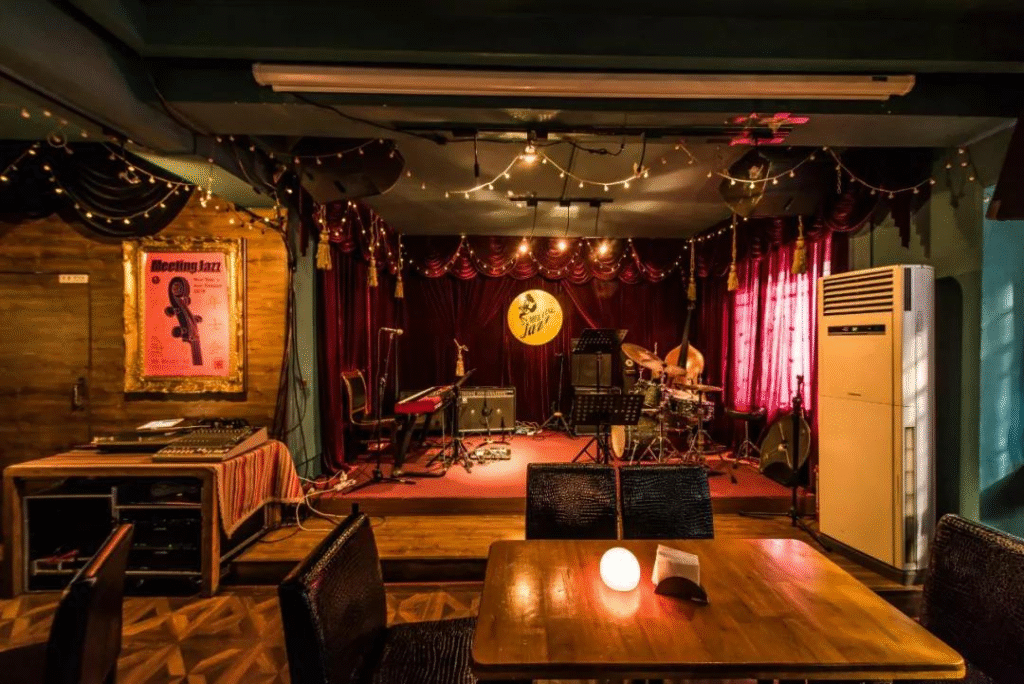
Xi’an nightlife is growing but still relatively low-key compared to China’s major coastal cities. Local beers in casual bars cost around 10 to 20 RMB ($1.50 to $3), while cocktail bars in modern districts range from 40 to 80 RMB ($6 to $11).
The scene is heavily student-driven, especially around universities and central districts. There really is no hostel or expat scene with all the great places like Park Qin now closed. The Hantang Inn seems to be the only holdout of the old scene.
Digital Nomad Xian life
Xi’an works well for digital nomads who are comfortable operating inside China’s internet system. Infrastructure is solid, transport is good, and cost of living is still reasonable compared to Tier 1 cities.
The biggest issue is the Great Firewall. Services like Google, WhatsApp, Instagram, and many Western platforms are blocked, meaning a reliable VPN is essential. Performance depends heavily on provider quality and current enforcement conditions. Ironically internet in North Korea is easier t9o navigate.
Coworking spaces are growing, particularly in Gaoxin District, with prices typically between 800 and 1500 RMB ($110 to $210) per month. Cafés are widespread, especially in student-heavy areas.
Delivery culture is extremely efficient. You can order almost anything to your apartment within minutes using local apps. Emphasis here being local apps in Chinese.

Can you get a long-term visa in China?
China remains strict on long-term residency regardless of city, and Xi’an follows national immigration policy closely.
The main route is still the Z visa tied to employment. This requires a university degree, relevant experience, and a sponsoring employer. The process is structured and heavily document-based.
Other options include student visas, business visas, and family-based residency, but none offer real flexibility or long-term independence without formal ties.
Unlike Southeast Asia, China does not offer casual long-term stay options, and visa enforcement is consistent across cities including Xi’an. Yes there is visa on arrival now, but Xian is not an easy city for visa runs.
Can you open a bank account in Xi’an?
Yes, but it is not as simple as short-term visitors expect. Opening a bank account in Xi’an typically requires a valid residence permit and often proof of employment or study.
Once these requirements are met, the process is straightforward but bureaucratic. You will need to visit a branch in person, provide documentation, and sometimes go through Chinese-language forms depending on the bank.
Once set up, banking in Xi’an becomes extremely convenient because China is a cash-light society. Mobile payment systems dominate daily life. SPD and CCN tend to be easiest to open in Xian.
WeChat Pay and Alipay are essential for almost all transactions, from rent to groceries to transport. Cash is still accepted but increasingly uncommon in everyday use.
Can you open a company in Xi’an?
Yes, usually through a WFOE (Wholly Foreign Owned Enterprise). Xi’an is generally slightly less strict than Beijing, but still follows national regulatory frameworks.
Setup costs typically range from 30000 to 60000 RMB ($4200 to $8500), depending on structure, legal assistance, and office requirements.
Some industries, particularly education, media, and anything sensitive, are more tightly regulated.
Is Xi’an safe?
Xi’an is very safe by international standards. Violent crime is rare and most areas are safe to walk in at night.
Like most Chinese cities, surveillance is widespread and contributes to low crime rates. Petty theft is uncommon but not impossible.
The biggest practical risks are traffic, scooters, and general road unpredictability rather than crime.
Overall cost of living in Xi’an
A realistic monthly budget for a digital nomad in Xi’an looks like this:
Rent: 5000 RMB ($700)
Utilities: 400 RMB ($55)
Groceries: 1500 RMB ($210)
Going out: 1200 RMB ($165)
VPN and internet: 300 RMB ($40)
Total: 8400 RMB ($1170) basic to 14000 RMB ($1950) comfortable
Therefore overall it is an adorable and decent to do the Digital Nomad Xian thing. This puts it among the best places to live in China, with me personally having called it home on/off for 20 years. There was though a reason that I left and Xian is still nowhere near as good as most South-East Asian cities.
Therefore Digital Nomad Xian scores 6.5/10, better than the rest of China, but only just.
Click to see my China Tours with YPT.