
Digital Nomad Berlin Guide
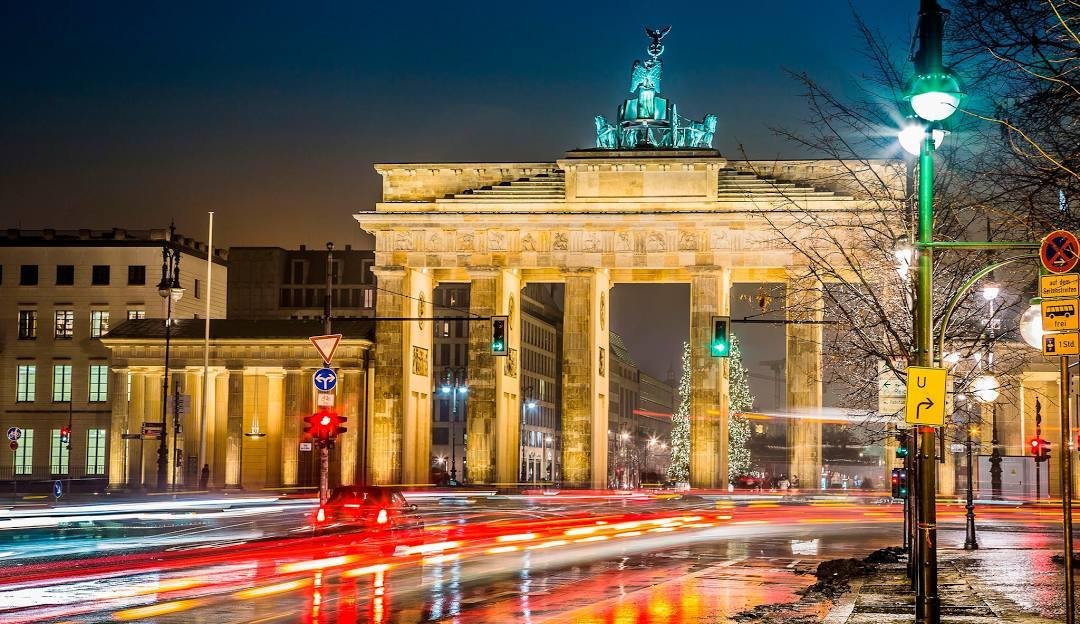
Quite how good the Digital Nomad Berlin scene is to you will depend on a few key factors, namely budget, visas, cold winter weather, and your tolerance for a city that is half “creative”explosion, half way way up its own arse.
Basically there is no denying that Berlin is expensive compared to Eastern Europe, but still reasonable for Western standards. It is relatively easy to stay in if you are from the EU, and even if you are not, it is more accessible than many major European capitals. The real defining factor is not administration or paperwork, but whether you can handle long grey winters, a chaotic housing market, and a city that runs heavily on nightlife, subculture, and artists rather than structure.
Click to read about the Digital Nomad Xian scene.
Table of Contents
Background to Berlin
Berlin is the capital of Germany and home to around 3.7 million people, making it the country’s largest city. It has a long and heavily layered history, from Prussian capital to Cold War division, where East and West Berlin were physically split by the Berlin Wall until 1989. This means as lot of cold war kitsch.
The city was heavily bombed in World War II and rebuilt in a very mixed style, leaving a landscape that is part historic, part Soviet block, part modern redevelopment. During the Cold War, West Berlin became a strange political island filled with artists, draft dodgers, and counterculture, while East Berlin developed under a socialist system.
Today Berlin is one of Europe’s most important cultural hubs, known for its art scene, music, nightlife, and relatively relaxed lifestyle compared to other capitals. It is also still noticeably cheaper than cities like Paris or London, although rents have risen sharply in recent years.
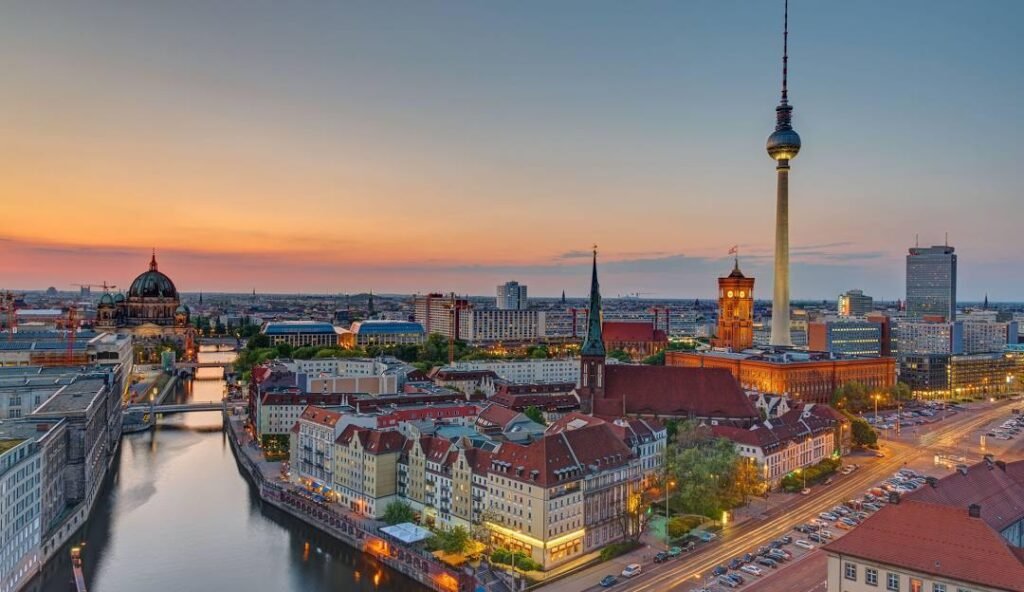
Where to Sleep in Berlin Guide
Berlin is still relatively affordable compared to other Western capitals, but prices vary massively depending on district and housing type. Also by “European standards” not global ones.
Example monthly rental prices in Berlin;
- Shared room in flat: €650–€1,000 per month
- Studio apartment (outside centre): €1,100–€1,600 per month
- One-bedroom central apartment: €1,600–€2,400 per month
- Trendy districts (Kreuzberg, Neukölln, Prenzlauer Berg): €1,800–€3,000+ per month
Buying property in Berlin;
Average price per m²: €6,500–€10,500 depending on area
Prime central districts: can exceed €12,000 per m²
Buying in Berlin is basically unifiable for nomads unless you want to put serious money into a real investment and probably never leave.
Cost of Living in Berlin Guide
The cost of living in Berlin is moderate for a European capital, but rising steadily due to demand and international arrivals.
Monthly cost breakdown in Berlin
Rent (1-bed average): €1,700
Utilities (electricity, heating, water): €200
Internet: €40
Phone plan: €20
Groceries: €350–€550
Eating out (3–4 times per week): €250–€450
Public transport: €60–€100
Miscellaneous: €200
Estimated total per month: €2,700–€3,400 ($2,900–$3,700 USD)
Winter heating costs and nightlife spending can push this higher vey very quickly.
Digital Nomad Berlin Scene
Berlin has one of the strongest digital nomad and creative freelancer ecosystems in Europe. Internet is fast and reliable across the city, and cafés are generally laptop-friendly, especially in the inner districts.
Unlike more corporate cities, Berlin is heavily driven by artists, musicians, designers, startup founders, and independent creators. This can be good at times, but also a bit woke and pretentious on others.
Winter is a major factor. From November to March, the city is cold, grey, and long. This shapes the lifestyle heavily, pushing people indoors into cafés, studios, coworking spaces, and nightlife venues.
Meeting people is easy due to the international population, but the city is spread out, so communities are more fragmented than in smaller nomad hubs.
Coworking zones and spaces in Berlin;
- Kreuzberg coworking spaces (creative, startup-heavy, multicultural)
- Mitte business and tech hubs (modern, corporate-leaning)
- Neukölln cafés and informal workspaces (cheap, mixed crowd)
- Prenzlauer Berg quiet professional coworking spots
- Friedrichshain digital nomad cafés and shared studios
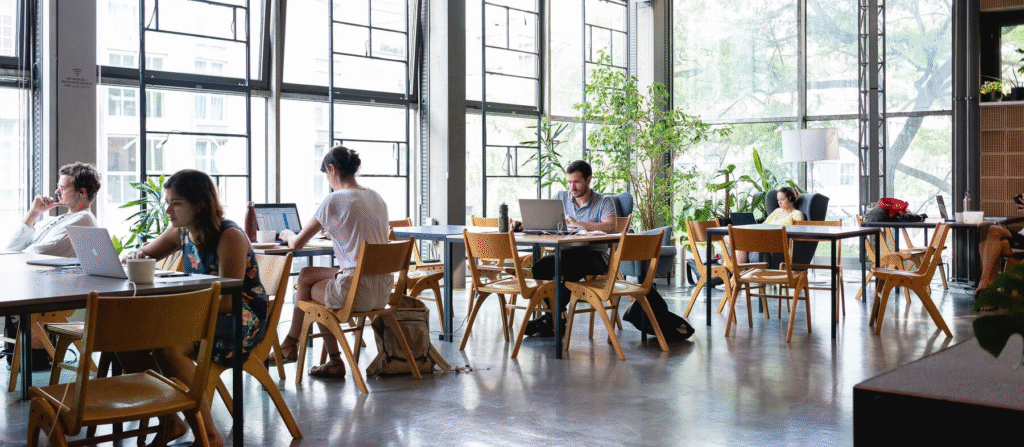
Photo: introduce.berlin
Berlin Nightlife Guide
Berlin has one of the most famous nightlife scenes in the world, built on techno, underground culture, and a long tradition of alternative clubs and late-night venues.
The city is less about polished entertainment and more about long, chaotic nights that can run from midnight to midday. Beyond techno clubs, there is also a strong live music scene, theatre culture, experimental art spaces, and countless bars across different districts.
Winter actually strengthens the nightlife scene, pushing everything indoors and intensifying the social environment.
Best nightlife areas in Berlin;
Kreuzberg
Core alternative nightlife area. Bars, clubs, street culture, late-night food, and a heavy mix of students, artists, and internationals.
Friedrichshain
Techno-heavy zone. Famous clubs, warehouse venues, and very late opening hours. One of the most intense nightlife districts in Europe.
Neukölln
More relaxed but growing nightlife. Cheap bars, dive spots, rooftop venues, and a strong international crowd.
Mitte
More polished nightlife. Cocktail bars, upscale clubs, and theatre venues. Less chaotic, more structured.
Prenzlauer Berg
Calmer nightlife. Wine bars, craft beer spots, and early-night social drinking rather than clubbing.
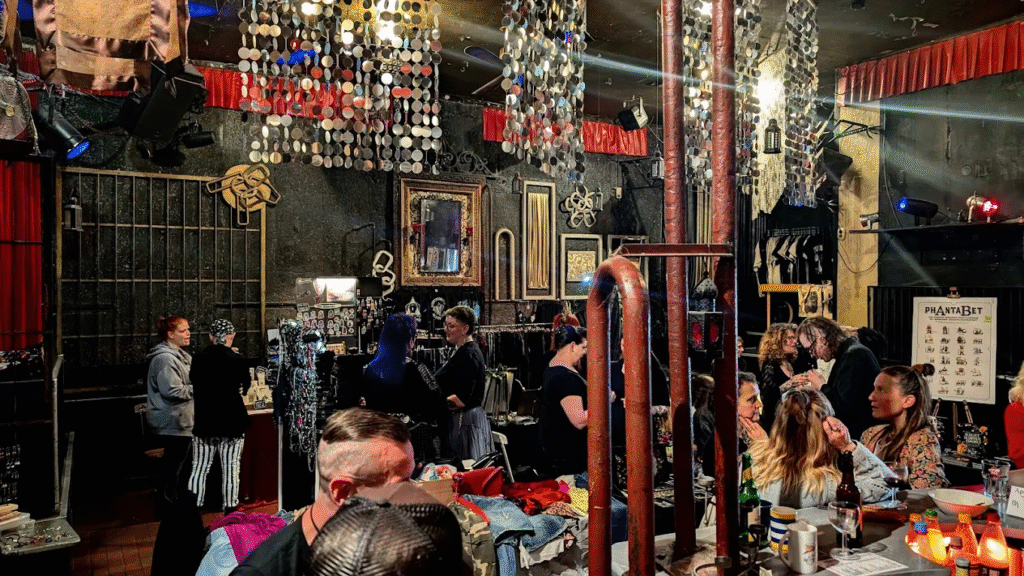
Photo: Jens Kalauch
Is Berlin Safe?
Berlin is generally safe compared to most major global cities, but it is still a large capital with noticeable variation between districts.
Central and residential areas like Prenzlauer Berg and parts of Mitte are typically calm, well-lit, and easy to navigate at night.
Kreuzberg and Neukölln are more mixed. They are heavily international, full of nightlife, street culture, and late activity. You will see homelessness and occasional petty crime, particularly around transport hubs, but they are also some of the most vibrant parts of the city.
Friedrichshain has a strong nightlife focus, and around major club zones the streets can be chaotic at night, especially on weekends.
Berlin does not feel unsafe in a general sense, but like any major capital, awareness is needed in busy nightlife areas and transport zones late at night.
Getting in and out of Berlin Guide
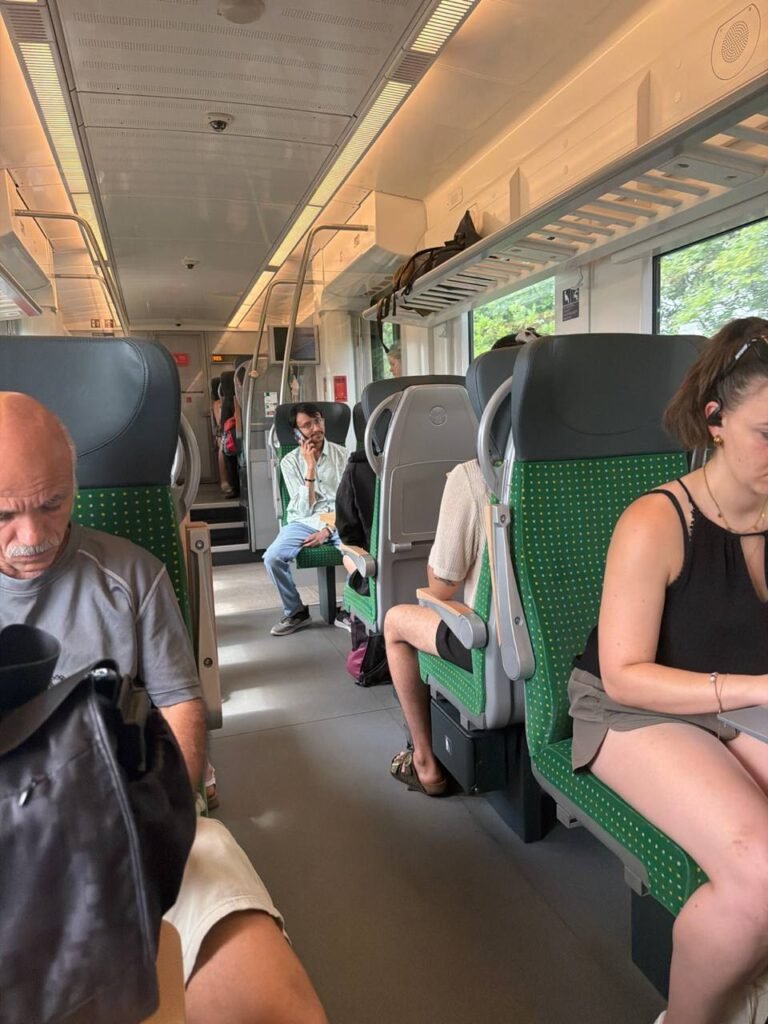
Berlin is one of the best connected cities in Europe, with flights, trains and buses linking it to almost everywhere on the continent. The main hub is Berlin Brandenburg Airport, which handles a wide range of low-cost and full-service carriers, while Berlin Hauptbahnhof acts as the central rail gateway for Germany and beyond.
From Berlin you can fly cheaply across Europe, or travel overland into Central and Eastern Europe at reasonable prices. Train travel is efficient but not always cheap, while buses are the budget option for slower but very affordable regional travel.
Typical one-way prices from Berlin:
- London: €20–€120 (flight)
- Paris: €30–€150 (flight / train combo higher)
- Barcelona: €40–€180 (flight)
- Prague: €15–€60 (bus or train)
- Warsaw: €20–€80 (train or flight)
- Budapest: €25–€120 (flight)
- Hamburg: €10–€40 (train)
Digital Nomad Berlin Score
Berlin performs strongly as a digital nomad city due to its creative ecosystem, strong internet, and huge international community. It is particularly good for artists, freelancers, and startup workers rather than purely corporate remote workers.
The main drawbacks are rising rents, cold winters, and a lifestyle that can feel unstable if you prefer order and predictability.
Digital Nomad Berlin score: 5/10
It is one of the best creative cities in Europe, but not the easiest or cheapest place to live long term. Therefore good for Europe and Germany, but not the big wide world!
Click to see my East Germany offerings with Young Pioneer Tours.