
5 Best Digital Nomad Cities in Thailand in 2026
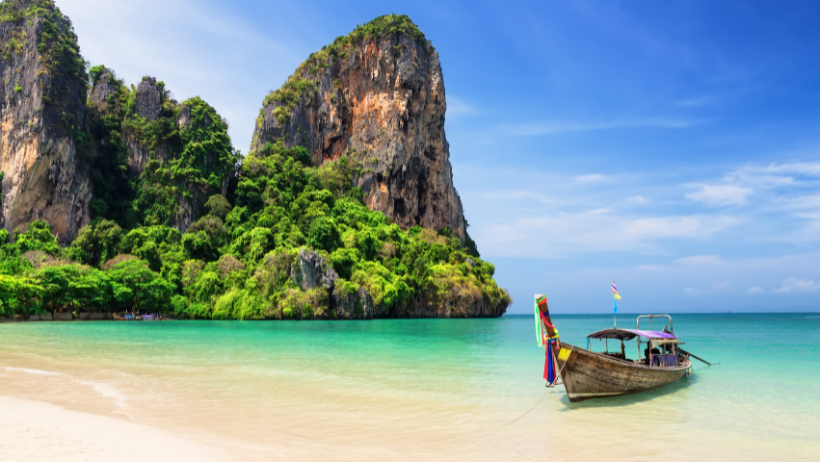
Thailand has been the default landing zone for digital nomads in Asia for so long that it almost feels like part of the geography rather than a choice. People arrive with a laptop, a loose income plan and the vague idea they will “figure it out here”, and for a long time that actually worked without much effort. Cheap rent, endless street food, a café culture that accidentally evolved into a remote work ecosystem, and enough nightlife to completely destroy any productivity plan you had on day one.
Thailand though and the digital nomad cites of Thailand have changed a lot. This is no longer a full budget destination and cocktails can run you to $10 plus. Despite this though the place is still inundated with nomads, which of course has its plus points, but also does make Thailand farang saturated.
Still, when people talk about digital nomad cities in Thailand, they are not imagining things. The country still functions extremely well for remote work, it just does not do it evenly. Some places feel like they were designed for it, others feel like you are forcing it, and a few still manage to combine chaos and convenience in a way that is hard to replicate anywhere else. And then there is the very overrated Thai Digital Nomad visa, which is just that, very overrated.
So, what are the best digital nomad cities in Thailand?
It really comes down to what kind of life you want to live while you are working. Some people want infrastructure and opportunity, others want beaches and silence, and plenty just want somewhere cheap enough that they stop checking their bank balance every morning.
Click to read about the best nomad cities in Southeast Asia.
Table of Contents
5 Best Digital Nomad Cities in Thailand
As always this is based on actual time spent in these places, not weekend visits or café hopping holidays where you mistake short-term comfort for long-term reality.
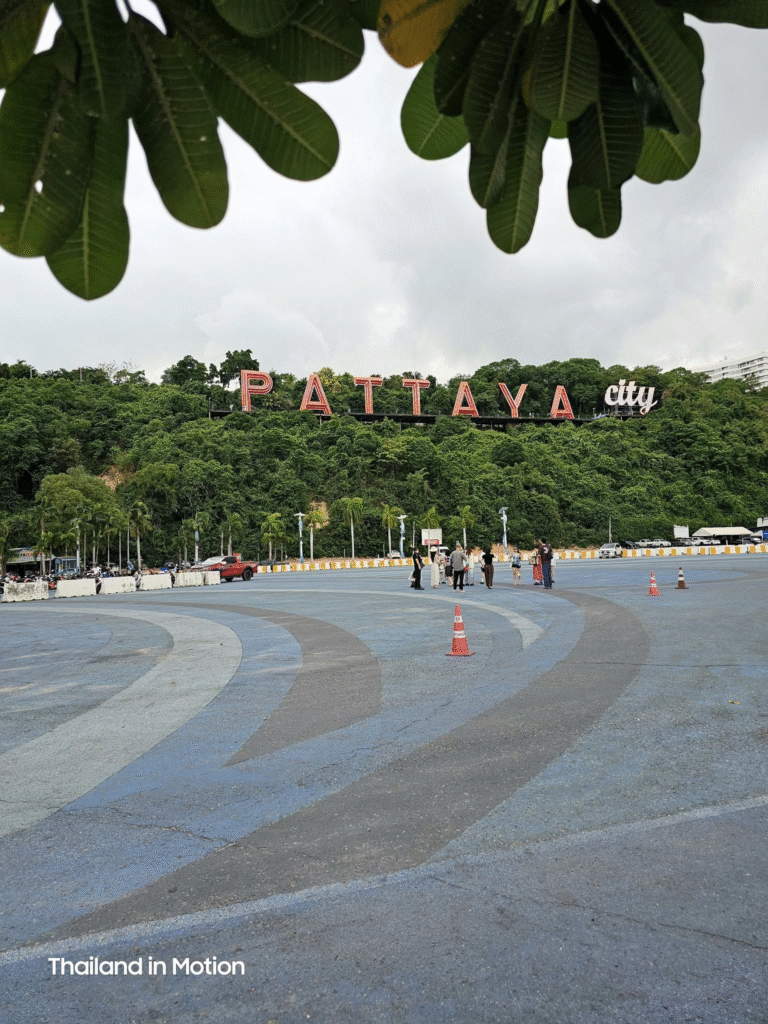
5) Pattaya
Pattaya is one of those places that gets judged before you even arrive, and in fairness a lot of that judgment is based on reality rather than reputation. It is loud, it is chaotic in places, and the nightlife is not hidden or subtle or trying to be anything other than what it is. Entire streets operate on a different logic to the rest of Thailand, and if you stay anywhere near Walking Street you will quickly understand why people either love it or avoid it completely.
But underneath that surface level chaos, Pattaya actually functions better than most people expect as a base for remote work. Rent is still relatively reasonable if you know where to look, internet is solid, and there are cafés and condos scattered everywhere where nobody cares how long you sit there with a laptop. You also have Bangkok close enough that anything serious, from flights to meetings to escaping the city entirely, is always within reach.
It is not trying to be a polished digital nomad hub and that is exactly why it still works.
4) Phuket
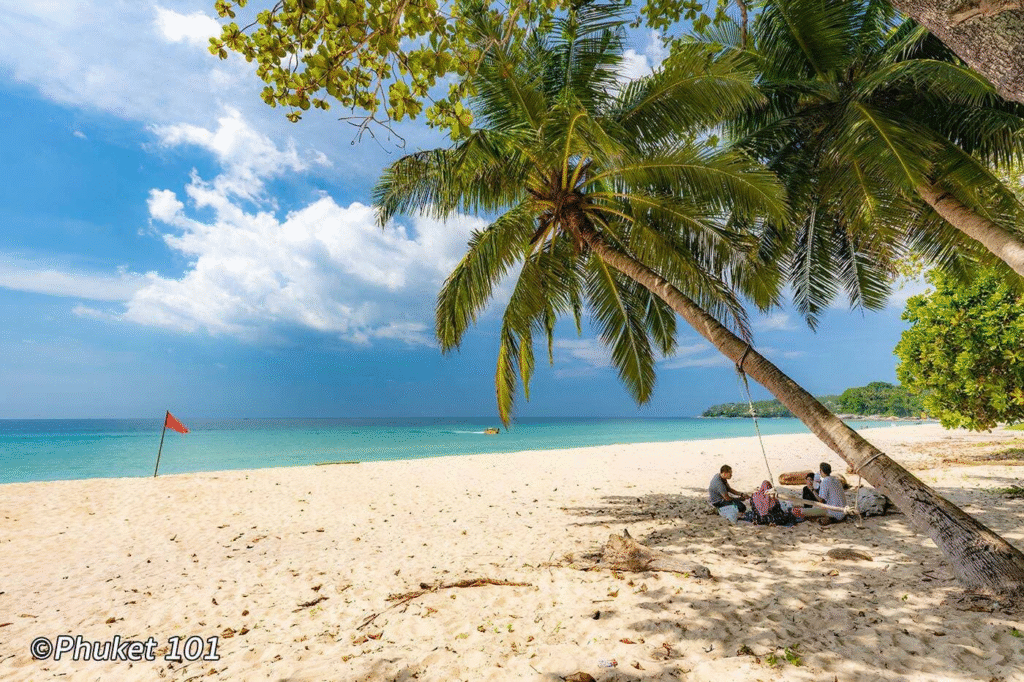
Phuket has changed more than most places in Thailand over the last decade and not always in ways that make it more accessible. It used to be one of the easier island lifestyles in the region, somewhere you could live close to the beach without feeling like every decision had a luxury tax attached to it. That version still exists in fragments, but it is no longer the dominant reality.
What has replaced it is a mix of long-stay expats, higher-end tourism, and people who are perfectly comfortable paying significantly more for comfort, location and lifestyle. Some parts of the island feel almost like a different country entirely compared to the backpacker version people still imagine.
Even so, Phuket remains relevant for remote workers because the infrastructure is genuinely strong. The airport connects globally, healthcare is reliable, gyms and co-working spaces are well established, and you can find every type of food and lifestyle setup you could reasonably want. It is just that none of it comes cheaply anymore, and pretending otherwise misses the point.
3) Hua Hin
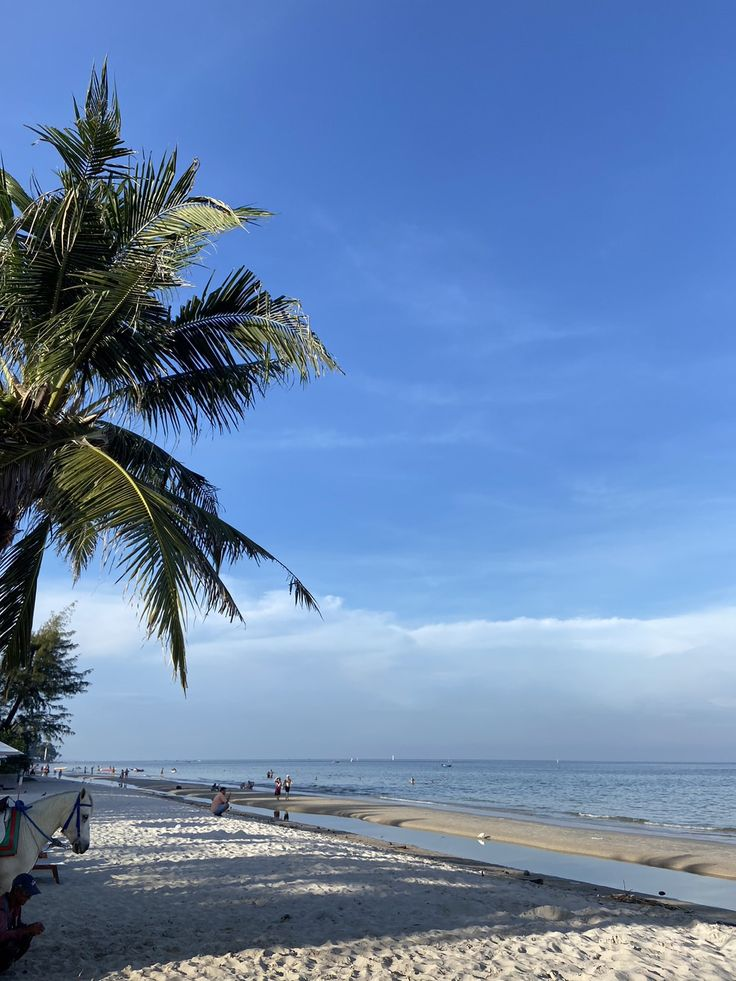
Hua Hin or as some call it the knackers yard for Thai prostitutes! It has long been associated with retirees and long-stay expats, which is accurate, but it also gives the impression of a place that is simply less interested in noise than the bigger cities and tourist-heavy islands. Think a chilled Pattaya with equally good beaches.
There is still life here, including a low-key nightlife scene that exists in the background like it does in most coastal Thai towns, but it never dominates the place. The general pace is slower, more settled, and far less reactive than somewhere like Pattaya or Phuket.
For remote work this is where Hua Hin quietly makes sense. Internet is stable, rent is still manageable, cafés are calm enough to actually focus in, and the entire environment is built around not being interrupted. It does not offer a scene, it offers consistency, which is often more useful than people expect when they first arrive.
2) Bangkok
Bangkok remains the centre of gravity in Thailand, and nothing else really competes with it at scale. It is not an easy city, and it is not trying to be one. It is loud, crowded, expensive by Thai standards, and constantly in motion in a way that can either energise you or drain you depending on the day.
But it is also the only place in the country where everything exists in one space. Co-working spaces packed with freelancers and founders, street food that becomes part of your daily survival system, rooftop bars sitting directly above some of the most chaotic streets in Asia, and a 24-hour rhythm that never fully shuts down.
The advantage of Bangkok is not comfort, it is access. If you are trying to build something online, meet people, find opportunities or just plug into a larger ecosystem, you end up here because there is no real alternative in Thailand that operates at the same level. It is though now bloody expensive compared to old times and with people that are not all that friendly.
1) Chiang Mai
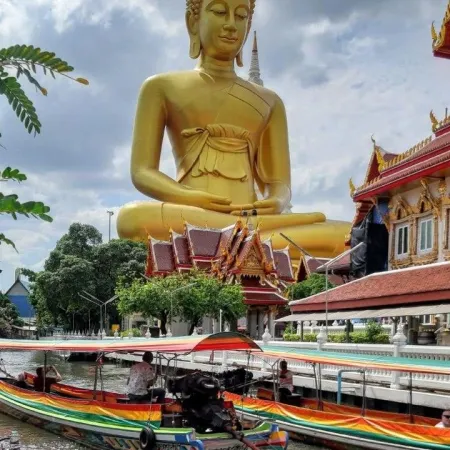
Chiang Mai is still the default answer for digital nomads in Thailand, and it has been that way long enough that it almost feels locked in place. The entire city has gradually adapted itself around remote work without ever officially trying to become anything.
Cafés are full of laptops, co-working spaces are spread throughout the city, internet is reliable, and there is a long-established community of freelancers and online workers who treat it as a base rather than a stopover. On the surface it looks relaxed, but underneath it is constantly full of people building, planning, testing and restarting projects that may or may not go anywhere.
It is not without issues. Burning season is genuinely unpleasant, prices have risen compared to what they once were, and parts of the city can feel like an endless loop of startup conversations and productivity talk.
But despite all of that, it still offers the best overall balance in Thailand between cost, lifestyle and the ability to actually sit down and get work done without everything around you becoming a distraction.
Bonus Round
Koh Phangan
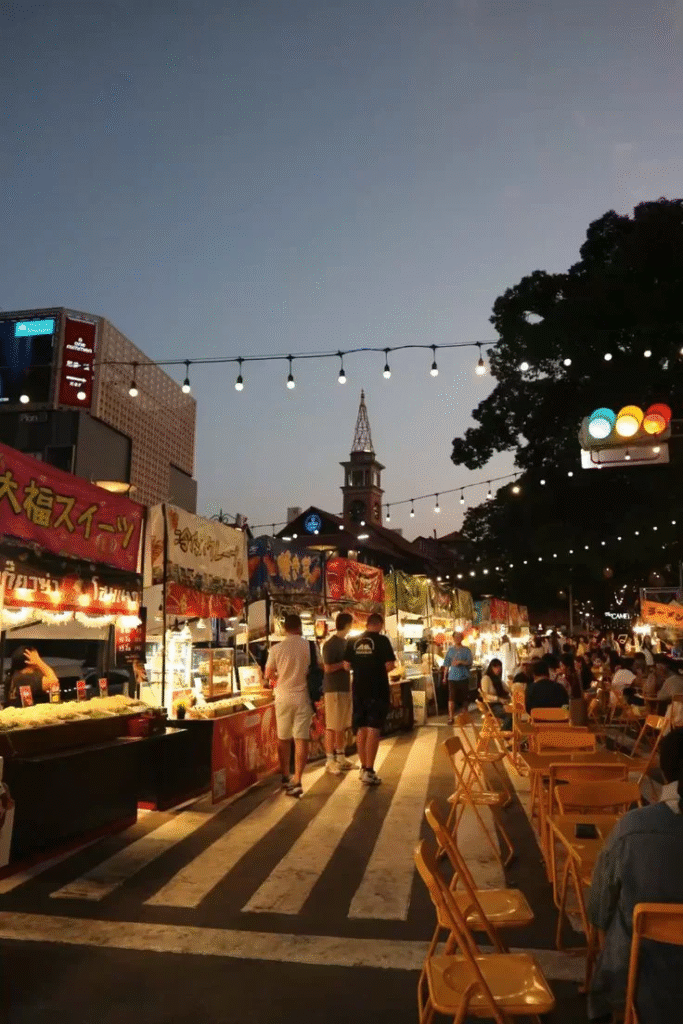
Koh Phangan is known for one thing first and everything else second, and that is the Full Moon Party that still pulls in thousands of people every month. That version of the island is very real, loud and completely unrestrained.
Outside of that, there is a quieter version of Koh Phangan that has slowly turned into a semi-functional remote work base. Cafés, yoga spaces, beach life and enough infrastructure to keep people online, as long as they are not expecting anything too structured or professional.
It is not stable in the traditional sense, but it works for people who are comfortable with that trade-off.
Chiang Rai
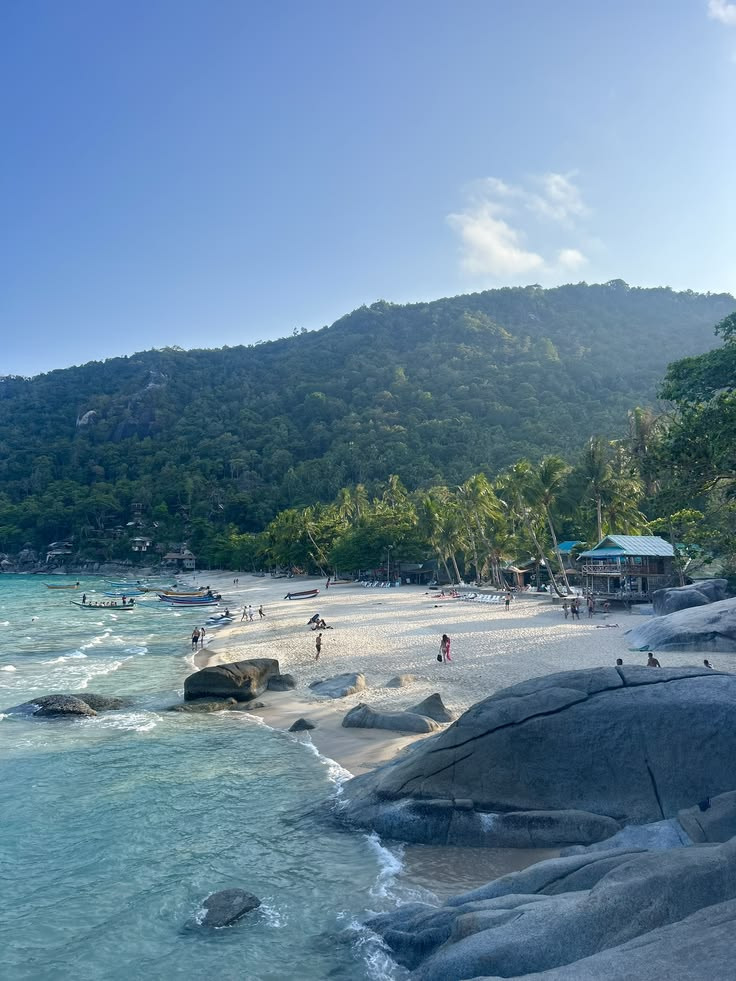
Chiang Rai feels like what Chiang Mai used to be before it filled up. It is slower, quieter, cheaper and still relatively untouched by the larger digital nomad wave.
There is very little in the way of a scene here. No co-working culture worth talking about, no constant networking, no pressure to be building something online. Just a functioning small city with internet, space and a lot less distraction than almost anywhere else in the country.
Conclusion
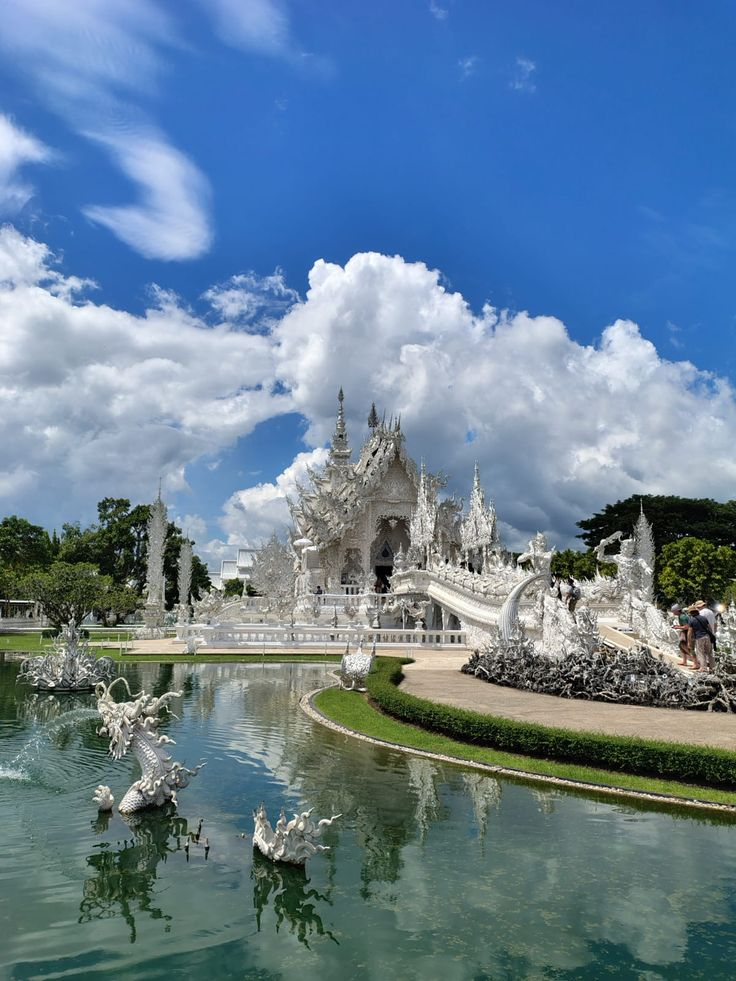
When it comes to digital nomad cities in Thailand, the country is no longer the only option in Asia, but it is still one of the easiest places to actually live and work remotely without overthinking it.
Chiang Mai still dominates, Bangkok still drives opportunity, Hua Hin quietly gets on with life, and places like Pattaya and Phuket sit somewhere between chaos and comfort depending on what you are looking for.
Overall though Thailand, while still worth a stop is now very overpriced and indeed overrated.
Click to see my Thailand Tours with YPT.