
Digital Nomad Hamburg Guide
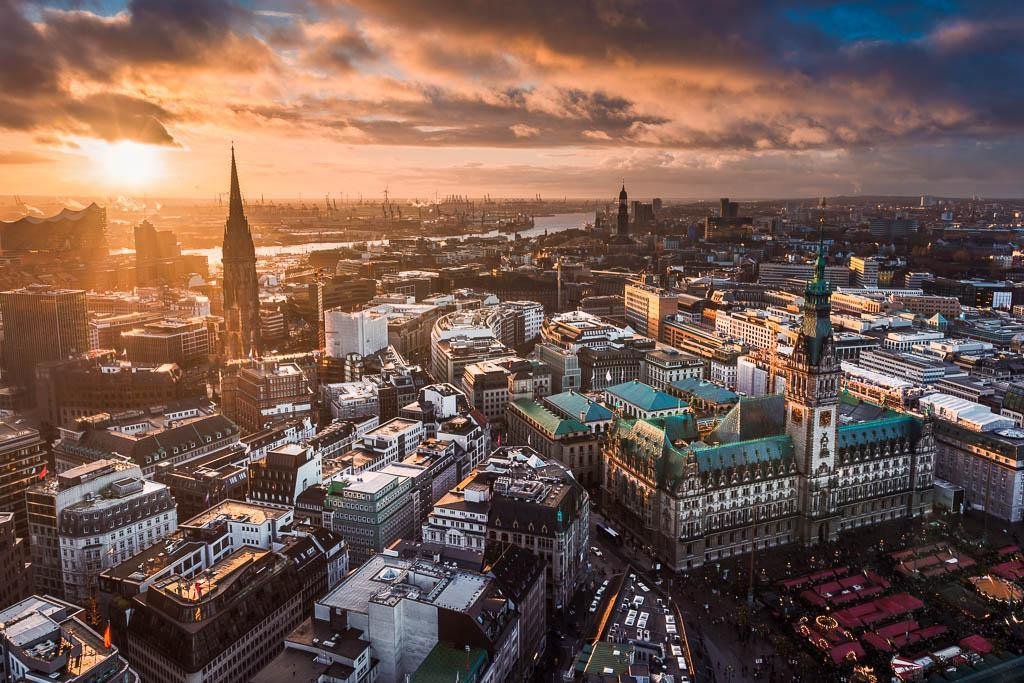
Quite how good the Digital Nomad Hamburg scene is to you will depend on a few key factors, namely budget, visas and your ability to deal with ghettos.
Basically there is no denying that Hamburg is expensive, very hard to stay in if you are not from the EU, and parts of the city feel rough compared to what many expect. The “culture” elements of the city are often overstated, while its social problems are not always discussed openly.
Click to read about the Digital Nomad Xian scene.
Table of Contents
Background to Hamburg
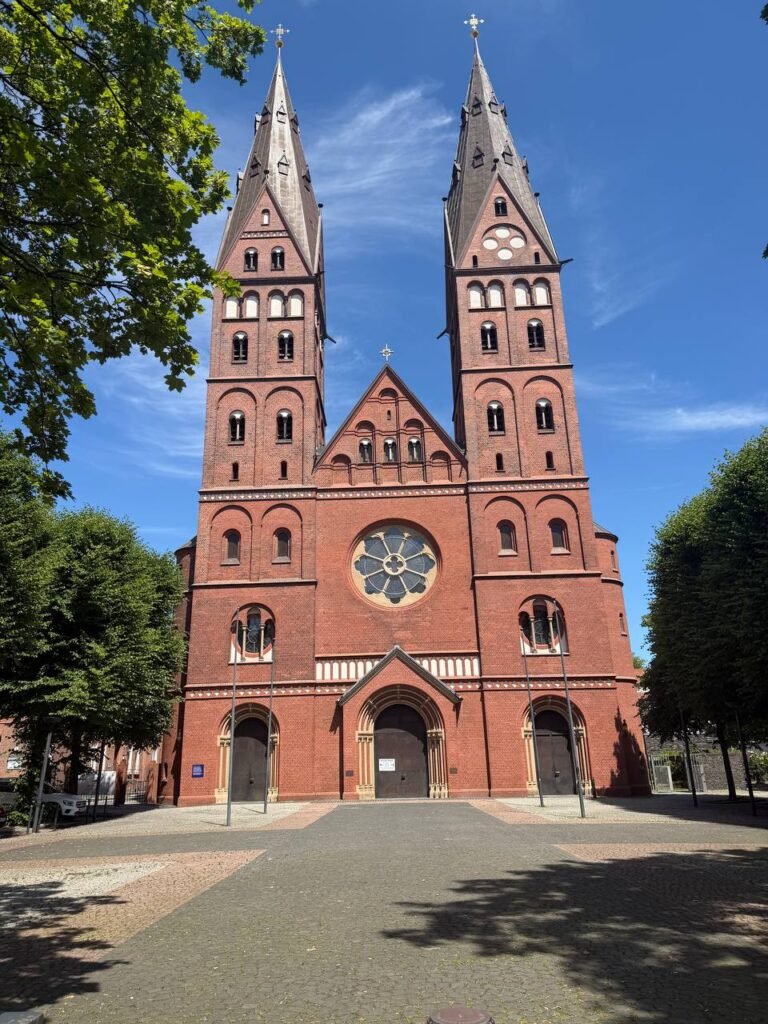
Hamburg is Germany’s second largest city with a population of around 1.9 million people and a major port that has defined its entire history. It has long been a trading hub under the Hanseatic League and later developed into one of Europe’s key shipping and logistics centres.
The city was heavily bombed during World War II and rebuilt in a mix of modern and traditional styles. Today it is a wealthy city overall, but this wealth is unevenly distributed and different districts feel like completely different worlds. It is also one of the most expensive cities in Germany for housing, transport and everyday living.
Where to sleep in Hamburg Guide
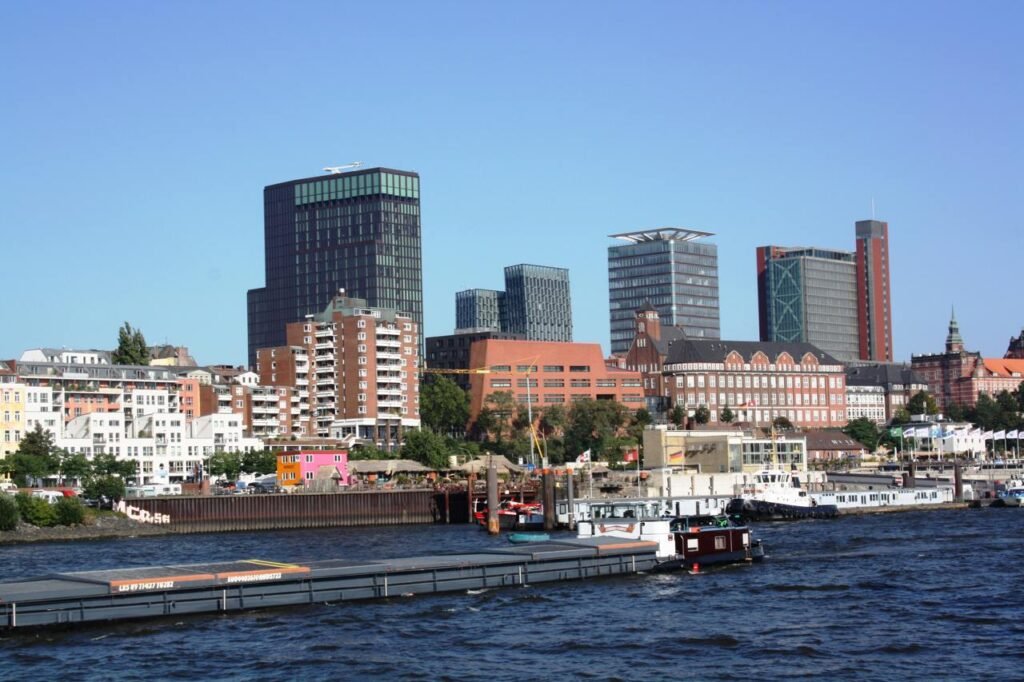
Hamburg is expensive across the board, especially for central areas and anything remotely modern or well located.
Example monthly rental prices in Hamburg;
- Shared room in flat: €600–€900 per month
- Studio apartment (outside centre): €1,000–€1,400 per month
- One-bedroom central apartment: €1,400–€2,200 per month
- Higher end districts (Eppendorf, Winterhude): €2,000–€3,000+ per month
Buying property in Hamburg;
- Average price per m²: €6,000–€10,000 depending on area
- Central or premium districts: can exceed €11,000 per m²
Buying in Hamburg is extremely expensive and generally unrealistic for short-term digital nomads. A decent hotel will run you at least 80 Euro a night in real terms, although long-term discounts can be arranged.
Cost of Living in Hamburg Guide
The cost of living in Hamburg is not cheap at all, even by Western European standards.
Monthly cost breakdown in Hamburg
- Rent (1-bed average): €1,500
- Utilities (electricity, heating, water): €200
- Internet: €40
- Phone plan: €20
- Groceries: €350–€500
- Eating out (3–4 times per week): €250–€400
- Public transport: €60–€100
- Miscellaneous: €200
Estimated total per month: €2,600–€3,200 ($2,800–$3,450 USD)
This basically goes from the bare minimum it costs to live anywhere vaguely comfortable in Hamburg. Realistically though it can frankly sky rocket once you start sampling the nightlife to any normal degree.
Digital Nomad Hamburg scene
Hamburg has a solid but not standout digital nomad scene. Internet is fast and reliable across most of the city, and there are plenty of cafés that allow long working sessions without pressure to leave. Coworking spaces exist and are generally modern, but they are expensive compared to cities in Eastern or Southern Europe.
The atmosphere is more corporate than creative compared to Berlin, with a stronger focus on finance, shipping, and media industries. And yes this includes the extremely overrated St Pauli scene, where most of the people seemingly don’t work online, or off.
Socially, it is easy enough to meet people but the community is less concentrated than in more obvious nomad hubs. The city works well if you are self-contained, organised, and financially comfortable.
Coworking zones and spaces in Hamburg;
- HafenCity coworking spaces (modern, expensive, corporate feel)
- Sternschanze cafés (casual laptop-friendly spots)
- St. Pauli creative cafés and shared workspaces
- Altona independent coworking hubs
- Innenstadt business centres

Hamburg Nightlife Guide
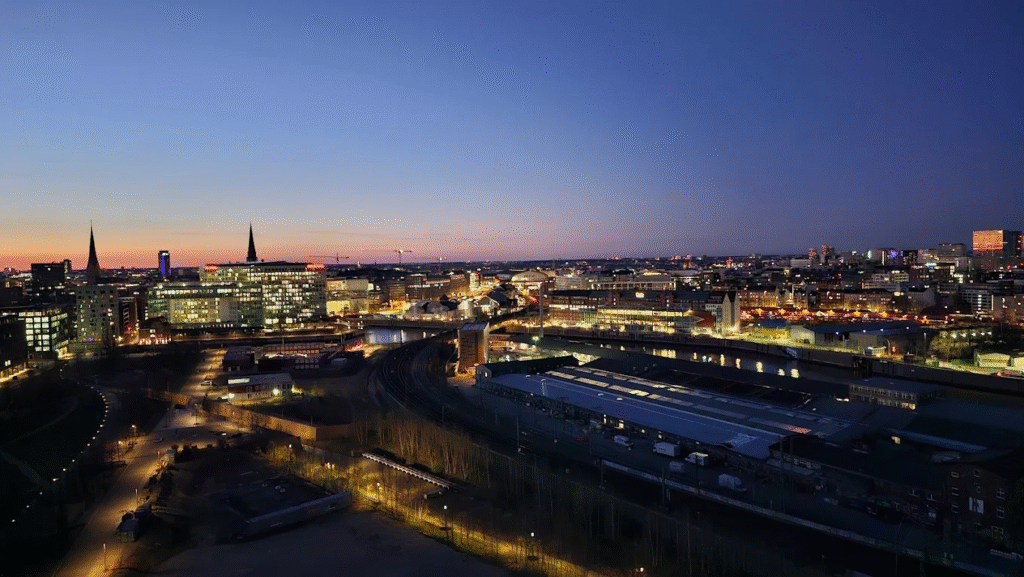
Hamburg has a strong and varied nightlife scene, with a clear split between different districts. St. Pauli and the Reeperbahn are the most famous, known for bars, clubs, live music, theatres, and the huge sex industry. Overall though one of Europes best nightlife scenes.
Beyond this, the city has a strong theatre culture, underground music scene, and a wide range of cocktail bars and clubs spread across different neighbourhoods. The contrast between areas is noticeable, with some parts focused on entertainment while others just feel seedy and dirty. Do not buy into the St Pauli propaganda rot much.

Best nightlife areas in Hamburg;
Reeperbahn (St. Pauli)
Main nightlife strip. Packed with bars, clubs, strip clubs and live music venues. Loud, busy, tourist-heavy and open late every night.
Sternschanze
Alternative nightlife. Student-heavy, indie bars, cheap drinks, kebabs, and a more Berlin-style street drinking vibe. Very busy at weekends.
Altona
More relaxed nightlife with pubs, craft beer bars and local spots. Less chaotic, more residential.
HafenCity waterfront bars
Upmarket area with cocktail bars and rooftop venues. More for drinks with a view than clubbing.
St. Georg
Some bars and gay friendly places, but mostly it is kebab shops and ethnic restaurants. Also the main dangerous after hours no go home in the city.
Getting in and out of Hamburg Guide
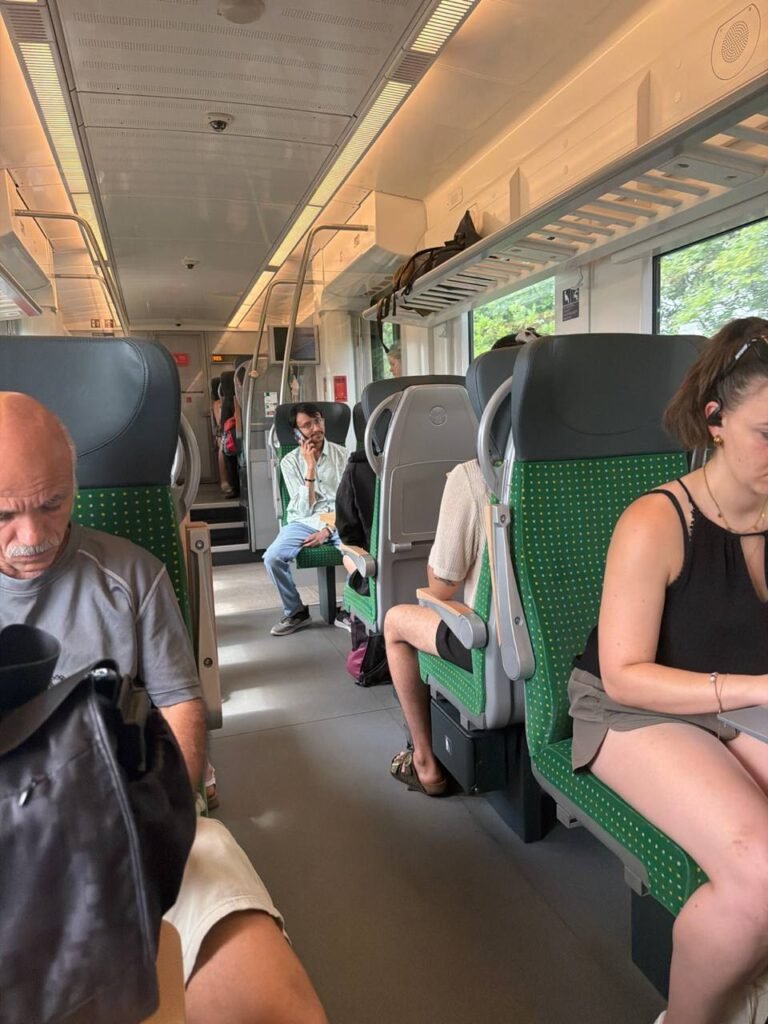
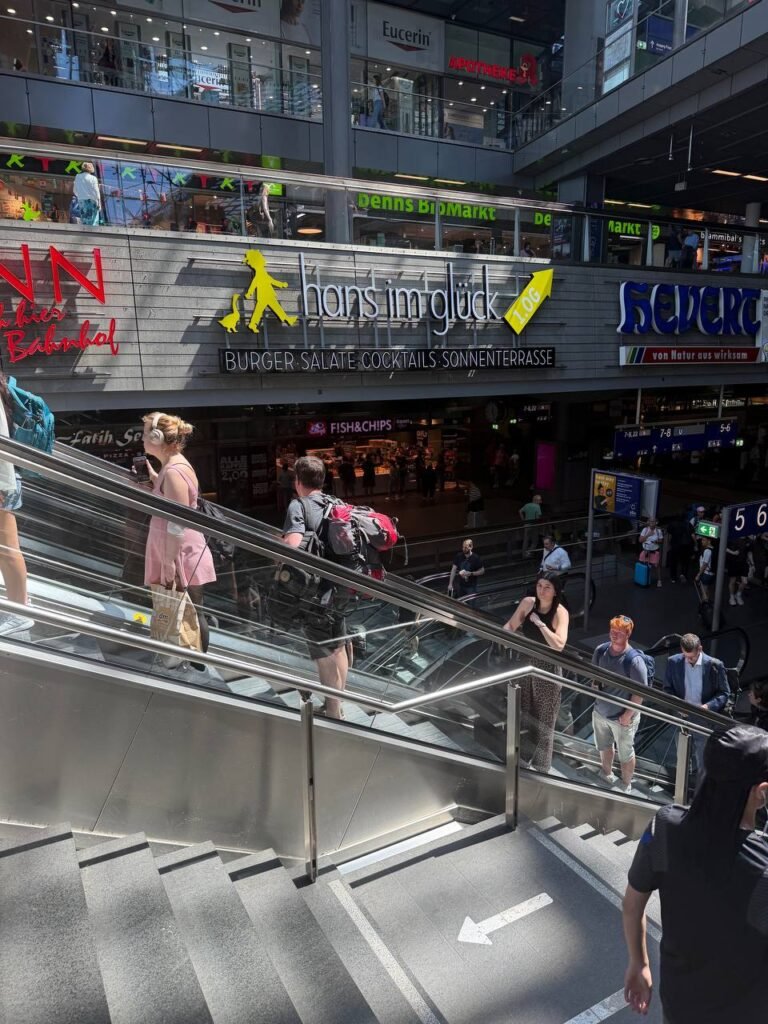
Hamburg is one of Germany’s major transport hubs, with excellent rail links, a busy international airport, and surprisingly good access to ferries and northern islands. It also works as a gateway to the North Sea and Baltic Sea, making it more interesting than your average inland German city.
From Hamburg you can travel cheaply across Germany and into Scandinavia, as well as out to coastal islands and ferry routes that feel a lot more adventurous than standard European city hops.
Typical one-way prices from Hamburg:
- Berlin: €10–€40 (train)
- Munich: €25–€120 (train or flight)
- London: €25–€150 (flight)
- Copenhagen: €20–€90 (train)
- Amsterdam: €20–€100 (train or bus)
- Sylt: €15–€80 (train via causeway island route)
- Heligoland: €40–€120 (train + ferry)
- Baltic Sea islands (Rügen, Usedom): €25–€150 (train + ferry combinations)
Ferries also run from nearby ports into Scandinavia, giving Hamburg a proper maritime travel edge that most German cities (obviously) don’t have. So good, it almost makes up for being robbed there!
Is Hamburg safe?
Hamburg is basically two, or even three cities and they differ greatly when it comes to safety. Firstly, there are the upscale areas like Pöseldorf and Eppendorf, where you can spend lots of money and eat and drink safely with the cool kids.
Then there is St Pauli, a place famous for its association with anti-establishment, left-wing/woke values and the punk scene. It is also filled to the brim with brothels, sex clubs and beggars. Pretty much everywhere you go here you will be approached by wasters wanting money, or hookers, as well as seeing a heap of homeless people. There are though good restaurants and bars and while it is grimy, rather than “counter-cultural”, you do not feel that unsafe.
The same though cannot be said for the Steindamm district of St. Georg. This is famous for its immigrant community, kebab shops and, well, crime. On just one walk down the street I saw people smoking crack, shooting up, fighting, “street walkers” and homeless people everywhere. This was honestly one of the most disgusting and dangerous places that I have ever been (in the world) and in one night going from the Reeperbahn and St Pauli to this shithole my opinion on the city completely changed. Hamburg is not safe compared to other European cities and is frankly a shithole compared to anywhere in Asia.
People will quote statistics on safety saying that it is not that bad compared to other places, blah blah. The reality though is that it is also full of complete no-go zones.
Digital Nomad Hamburg score
While there are a number of positives to Hamburg, such as nightlife, restaurant variety and strong internet, the negatives make it far from the best digital nomad city even in Germany. Costs are high and the city lacks the relaxed, creative nomad ecosystem found elsewhere in Europe.
It is also expensive to live comfortably, and not especially convenient for non-EU residents compared to other options.Digital Nomad Hamburg score: 3/10 – It is livable, but there are simply better options available.
Click to see my East Germany offerings with Young Pioneer Tours.