
Talking Trains With John Guiry, Australian CEO of Royal Cambodian Railways

I have always had a bit of a thing for trains. Actually, quite a lot of a thing for trains, so when I got the chance to sit down with John Guiry, the man running Royal Cambodian Railways, I was always going to be interested. What made the conversation particularly good, though, was that Guiry is also a train man. He has spent his career working on railways around the world and has been involved with Cambodia’s railway for around a decade, so rather than having the usual conversation about trains with someone who simply sees them as another form of transport, we actually bonded over a shared love of railways.
And Cambodia is currently a pretty interesting place to be talking about trains. For years the railway was something that existed in the background, but it was hardly what you would call the obvious way to get around the country. That is changing, and there is now a much bigger question about what Cambodian railways could become over the next decade.
Guiry is pretty bullish about the future. Royal Cambodian Railways has seen 43% year on year growth in revenue, while Kith Meng has invested $31 million into the railway. Fuel prices are also going through the roof, which makes rail increasingly attractive from both an economic and practical point of view. Guiry also pointed out that Cambodians were certainly sceptical about the railway in the early years, but that attitude has changed as people have started to see what has actually been achieved. In his words, it is a success story, with few places having railways expanding in the way Cambodia’s has.
Click to read about taking the train in Cambodia.
Table of Contents
Trains, Tourism And Where Cambodia Could Go Next
For me, the most interesting part of the conversation was what all of this could eventually mean for tourism. Freight is obviously a huge part of making a railway commercially viable, but Cambodia has the potential to do something much more interesting with passenger trains. The country has a relatively compact tourism industry centred around places such as Phnom Penh and Siem Reap, but there are plenty of other parts of Cambodia that could become much easier to visit if the railway network continues to expand.
Siem Reap is the obvious one, but you can also start looking further afield towards destinations such as Rattanakiri and Mondulkiri. Then there is the new Techo International Airport, which gives Cambodia another major transport hub that could eventually be better integrated with the railway network. The idea is not simply to get people from one station to another, but to build a network where tourists can arrive at the airport, get on a train and then travel around the country without having to rely entirely on buses, taxis or domestic flights.
This is where I think Cambodia has a particularly interesting opportunity. A train can be a form of transport, but it can also be part of the holiday. That is something Guiry clearly understands, telling me that with the train there is so much potential because they are selling an experience, not just a journey.
As someone who likes trains, I obviously agree with him. There is something fundamentally different about travelling through a country by rail. You see places you would otherwise fly over, you stop in towns you might never otherwise visit and you get a much better sense of the country. Cambodia is small enough that properly developed railway tourism could become a genuine part of the tourism offering rather than simply being another way of getting from A to B.
There is also a lot of talk at the moment about high speed rail, but Guiry was keen to make the distinction between high speed and higher speed. Cambodia does not necessarily need to start by building some enormous high speed network. Making existing trains faster, improving the tracks and making services more reliable could have a much bigger immediate impact.
And then there is the really exciting possibility, at least for train geeks like me, of international routes.

Thailand, Vietnam And The International Railway Dream
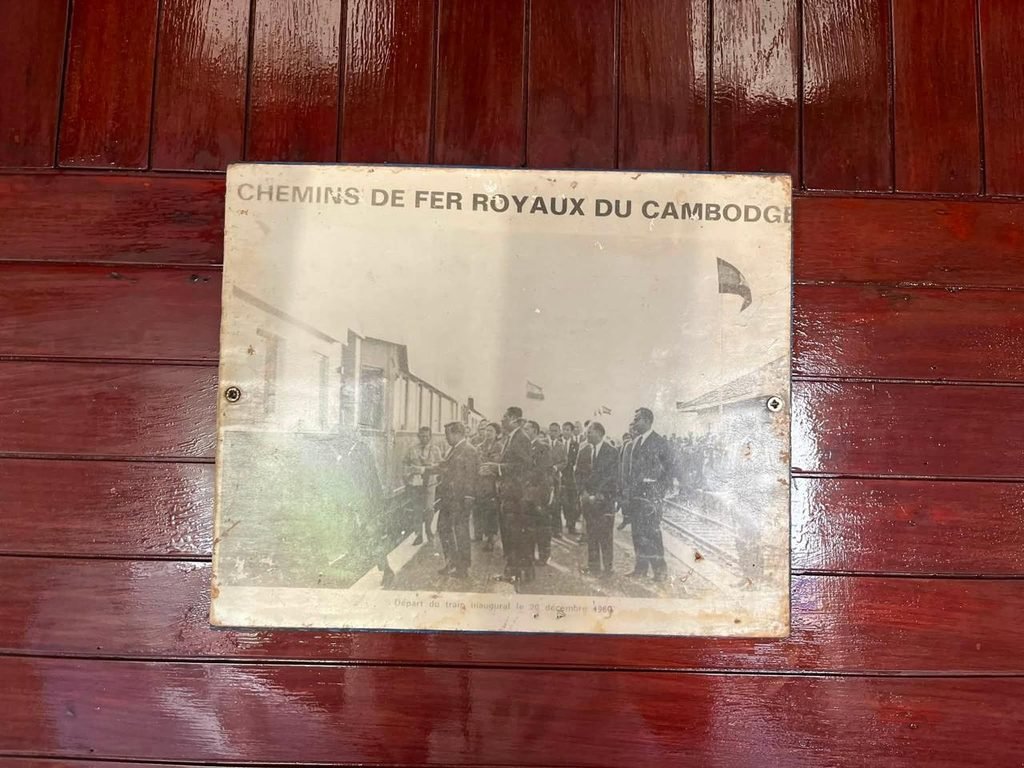
Before the current problems on the Thailand border, Royal Cambodian Railways had sent around 500 trains towards Thailand, with 498 being commercial trains and two being tourist trains. Obviously now is not a great time for that particular route, but Guiry remains confident that cross border rail between Cambodia and Thailand can happen again.
For tourism, that could be a very big deal. Imagine being able to travel properly by train between Cambodia and Thailand rather than simply flying between Bangkok and Phnom Penh or Siem Reap. Thailand already has an extensive railway network and Cambodia sits directly next door, so there is obvious potential for international tourism routes if the political and border situation allows it.
Vietnam is potentially even more interesting. Guiry believes a rail connection with Vietnam is likely to happen, although the major question is who is going to pay for it. There is already a highway between the two countries, which makes the economics of building another piece of infrastructure more complicated, but that does not necessarily mean there is no case for rail.
In fact, the success of the road network could eventually be part of the argument for building the railway. If highways become increasingly busy and congested, then rail becomes more attractive. A railway connection between Cambodia and Vietnam would also be about far more than simply getting people between two countries. It could potentially connect Cambodia through Vietnam to the wider regional and international railway network, opening up new possibilities for both freight and tourism.
There has even been talk of a high speed railway between Ho Chi Minh City and Poipet, although Guiry pointed out that this could cost around $4 billion, before taking into account the huge amount of bridge construction that would also be required. That is obviously a massive investment, which is why his focus on higher speed rather than simply chasing the high speed railway buzzword makes a lot of sense.
For someone who spends an unhealthy amount of time thinking about train routes, the prospect of being able to travel from Cambodia into Vietnam or Thailand by train is pretty bloody exciting. It also changes the way you think about Cambodia as a tourism destination. Rather than being somewhere people fly into for a few days before flying out again, Cambodia could eventually become part of a much larger overland railway journey around Southeast Asia.
Making The Railway Work
Of course, none of this happens unless the railway actually works as a business. This is the less glamorous side of being a railway CEO, but Guiry was very open about how much time goes into finance and making sure the numbers work. He told me that he had spent six hours that morning working on finance management and that you have to know your costs and your objectives. The company trains its people, sticks to its goals and operates within a fully regulated and audited environment.
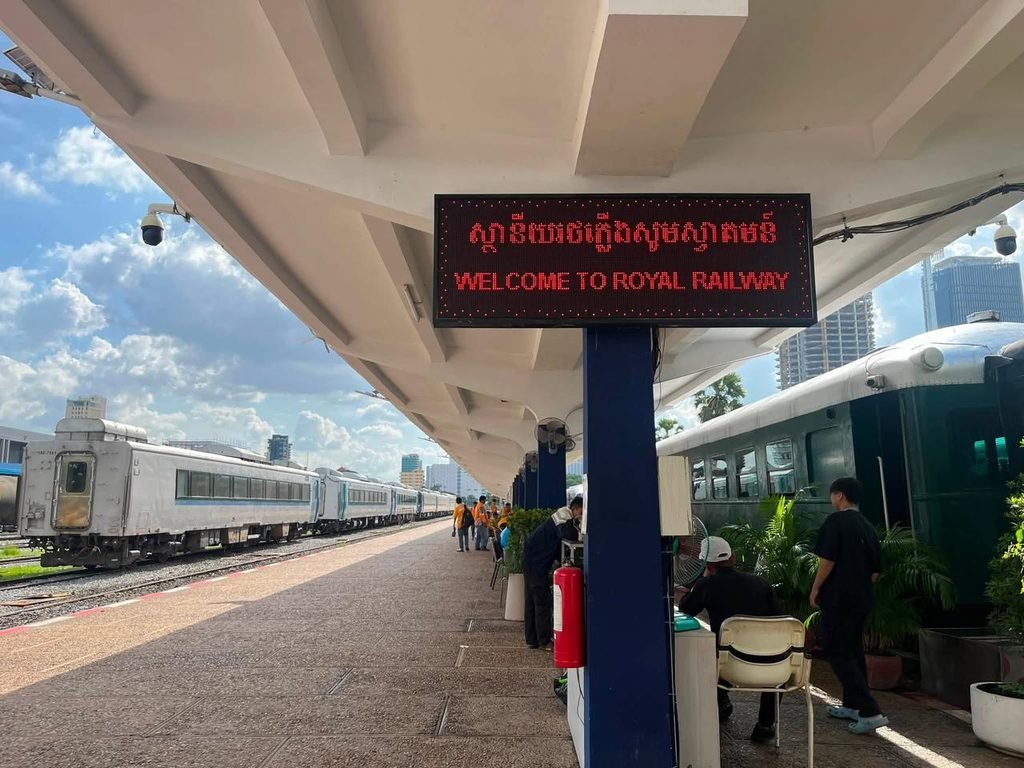
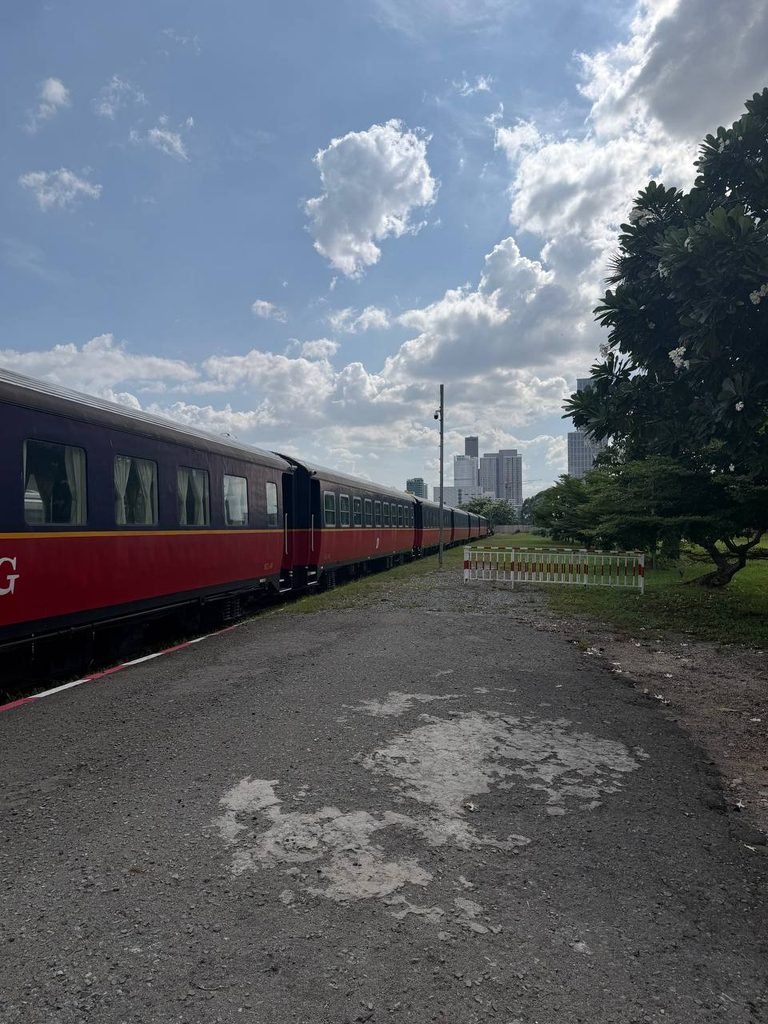
There has also been a significant investment in improving the passenger experience, with $1.8 million spent on this area. The ambition is ultimately to make passenger services profitable, but Guiry accepts that this takes time. For now, the priority is improving the service and creating a secure and reliable environment for passengers. If you can get people to actually enjoy travelling by train, rather than simply putting up with it because it is cheap, then you have a much bigger commercial opportunity.
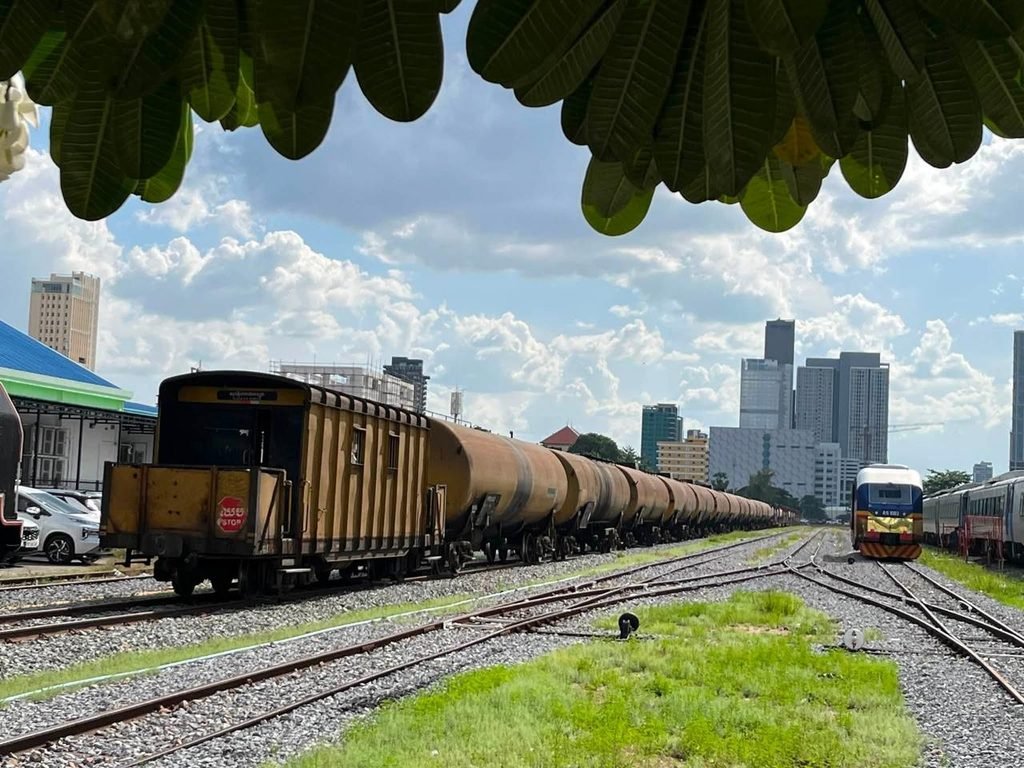
The freight side is equally important. Royal Cambodian Railways is working with the Cambodian Logistics Association and shipping companies to develop new logistics hubs, while also trying to get the railway much closer to the businesses that actually produce the goods. One example is Khmer Foods, where the company is working on arrangements to pick goods up directly from its headquarters. Guiry described the concept as being almost like running a bus to the front door of companies.
That is the sort of development that could make a genuine difference. If a company has to move its goods onto a truck just to get them to a railway station, you have already made rail less attractive. Getting rail lines and logistics operations directly into industrial premises makes much more sense, particularly for major industries such as rice and garments. There is also work being done on moving dangerous goods according to international standards.
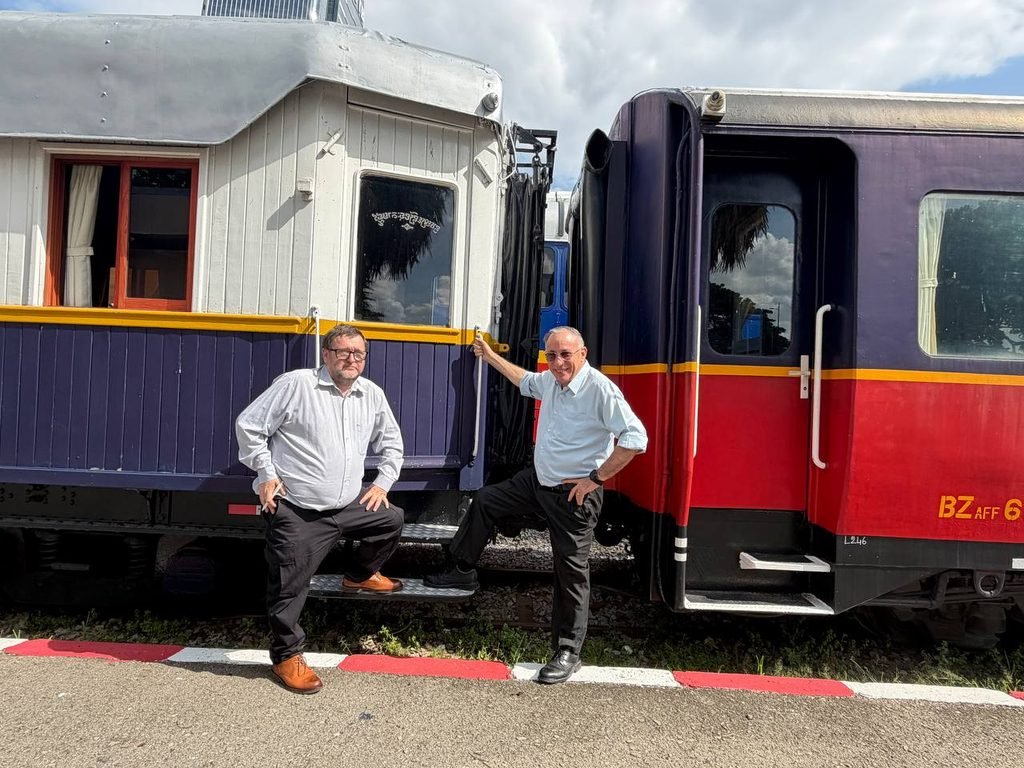
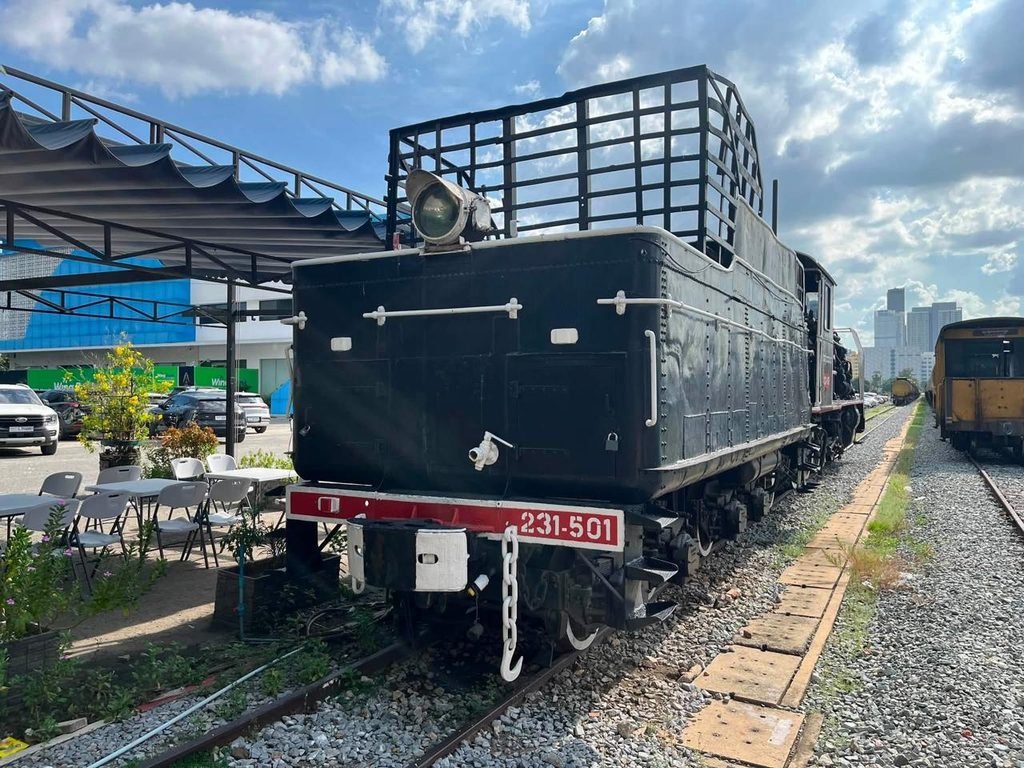
So while I went into the interview primarily wanting to talk about trains, tourism and where we might eventually be able to go by rail, what became clear is that the railway is becoming part of a much bigger transport story for Cambodia.
And for me, that is the really interesting bit. Cambodia does not necessarily need to build the fastest railway in Southeast Asia. It needs to build a railway that people actually want to use. That means better passenger services, more tourism routes, connections to places such as Siem Reap and eventually further into Rattanakiri and Mondulkiri, better links with Techo International Airport, stronger freight operations and, perhaps most importantly, international connections with Thailand and Vietnam.
As two people who bonded over a shared love of trains, Guiry and I could probably have talked about this for considerably longer. But alas he had to go and do his job of actually going to run the railway.
Want to be featured on Paid To Travel? Get in touch.